
Cassava: Processing, cooking and Fermentation
A story about using a great permaculture plant.

I have written about Cassava before, which you can read here. However, I’ve learnt a lot since that post, as that was very early on in our days of self-sufficiency at Serenity, and I have since played around with more ways to preserve and cook it.
A couple of years ago, I hosted a day with our local permaculture group, where I got them to come out and I showed them how to process it and ferment it. I will share this information in the downloadable file for paid subscribers, along with a couple of recipes.
There's also a really good instruction in this youtube clip, showing how to process cassava and make Jamaican Bammy. I did exactly the same process with the cassava to obtain the pulp the starch, otherwise known as tapioca flour. He doesn't talk much about keeping the starch, but I always make sure I do enough, so that I can ferment some cassava pulp and get at least a jar full of tapioca starch.
The other day we were cleaning out an area in the bottom garden to build some new garden beds. We had to pull out a few cassava plants and so I collected quite a few roots. Some of the roots were too old, but I managed to get some nice fresh ones. They are no good if they get too hard and fibrous, and they'll often get black streaks through them.
I need to plant a lot more than I’ve got growing at the moment. Every time I harvest some, I always put more cuttings in the ground, but I would like to get a lot more growing! Processing the cassava would be a great job when I have backpackers to help process it all.
I've discovered that fermenting it is one way to keep it. You could probably freeze the pulp in manageable amounts, but if you ferment it, it just keeps in the fridge for ages and so can be used without having to plan ahead. The fermented cassava works just as well to make bammy as the fresh. I thought it might make a bit of difference, but I tried them both out, and fermented cassava makes just as good a bammy as the fresh. Actually, it might have even been nicer, it was probably a bit crispier.
Please don't refer to the way I made bammy in my earlier post (which I linked to before), because that is not correct. The way to do it is the way the guy does it on the video and I would recommend you watch it if you want to make it as it’s easier than me trying to explain it. It makes very thin flatbread, which could be eaten as they are, cooked once or soaked in coconut milk and cooked again if you want to. I've made it as a dessert as well as eaten it with a curry. It's quite a versatile product, the cassava pulp.
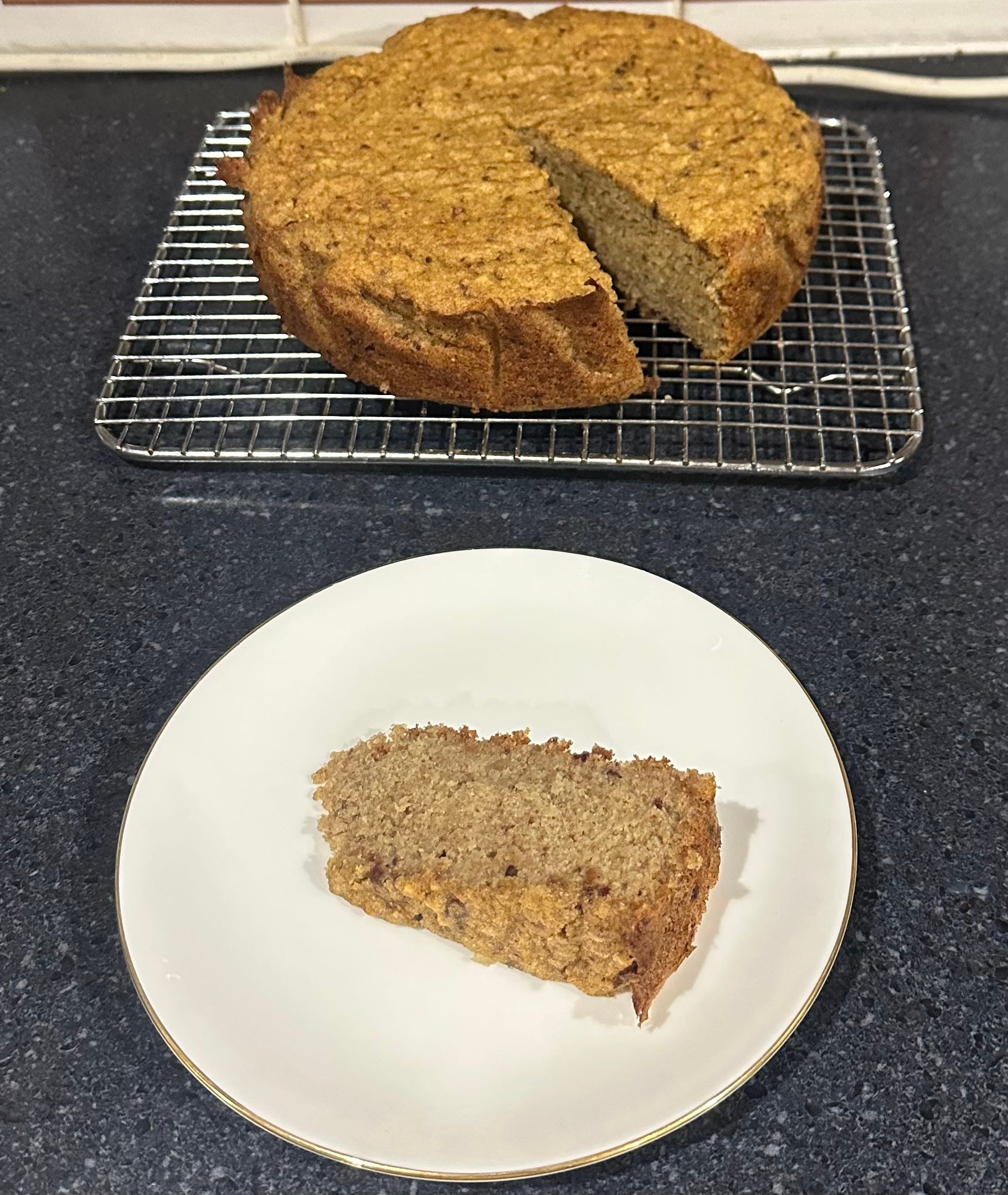
In fact, it's that versatile. I made a banana cake with it the other day and I've made other cakes, including a plain one and an apple cake in the past.
I've used it basically anywhere that you would normally use ground almonds. It's a really good wheat alternative as it's naturally gluten-free. So, if you have a favourite recipe that uses ground almonds or almond flour, definitely try using this processed cassava pulp. The photo below shows the cassava and banana cake that I made.
Cooking Bammy in pictures:
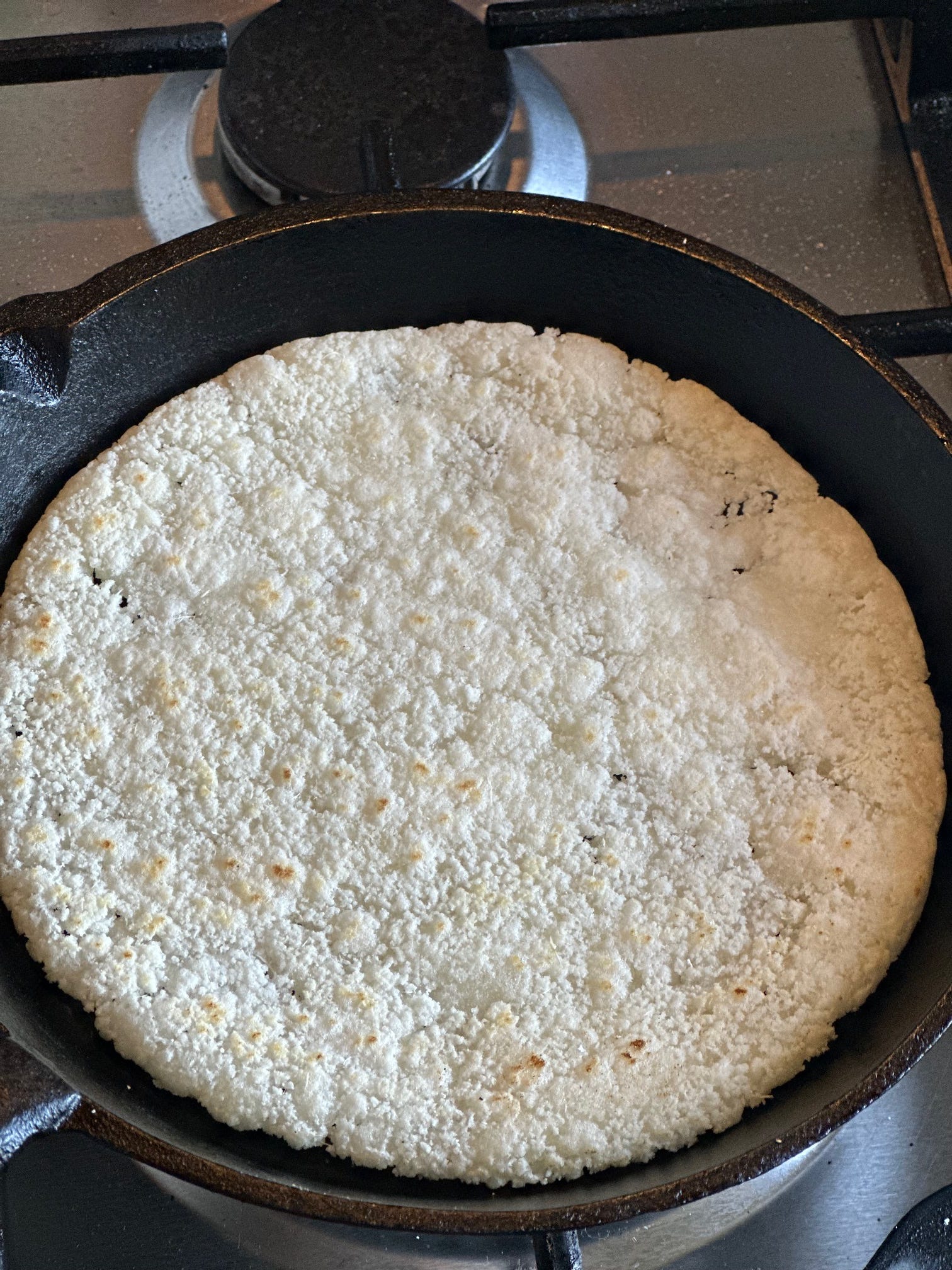
The fresh pulp is placed in a hot, non-oiled pan and pressed out flat to cover the entire base of the pan. It takes a few minutes each side to cook.
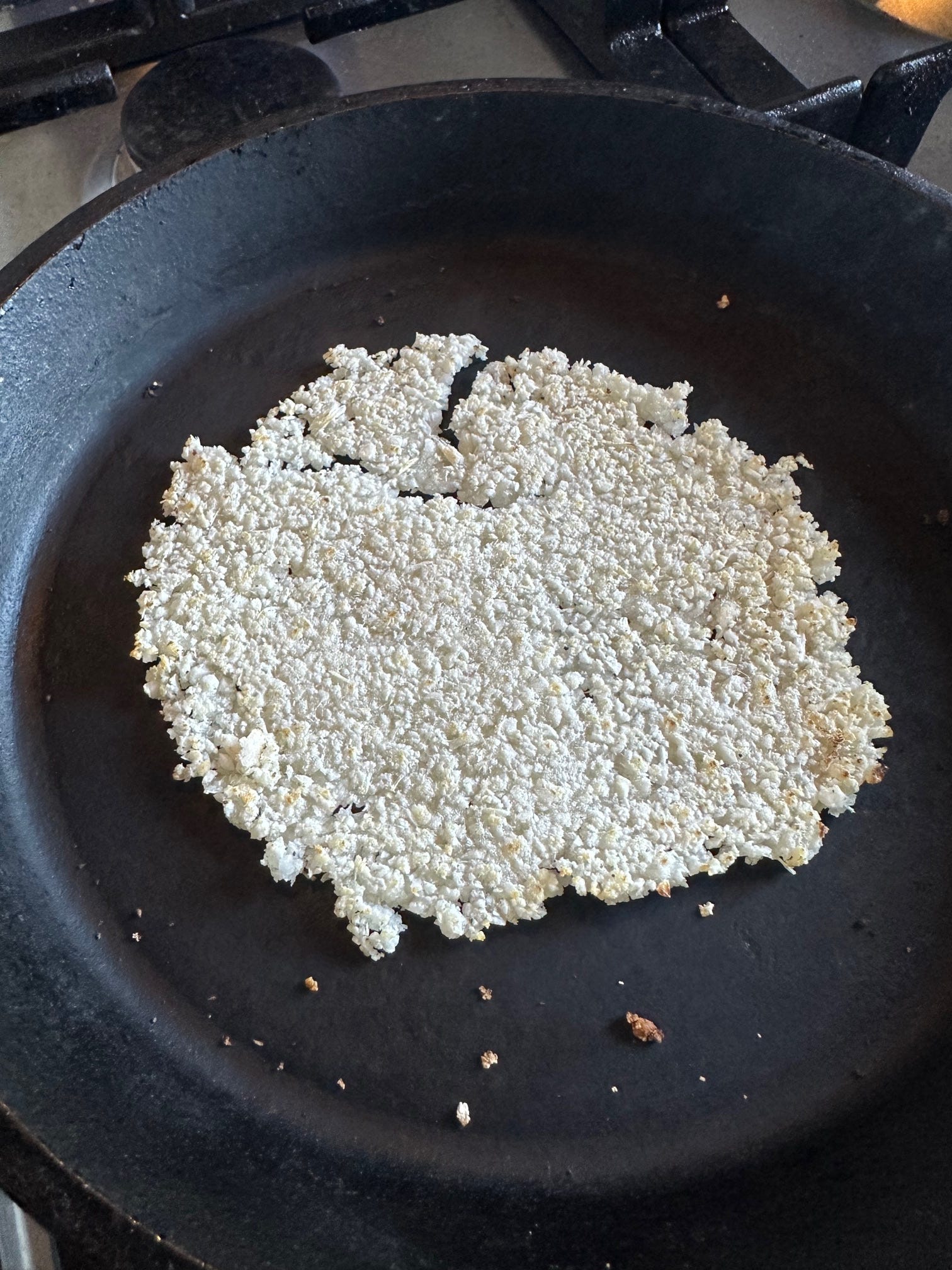
I only made a small one with the fermented pulp - this batch wasn’t processed as much as the top photo, but it still stuck together in the pan.
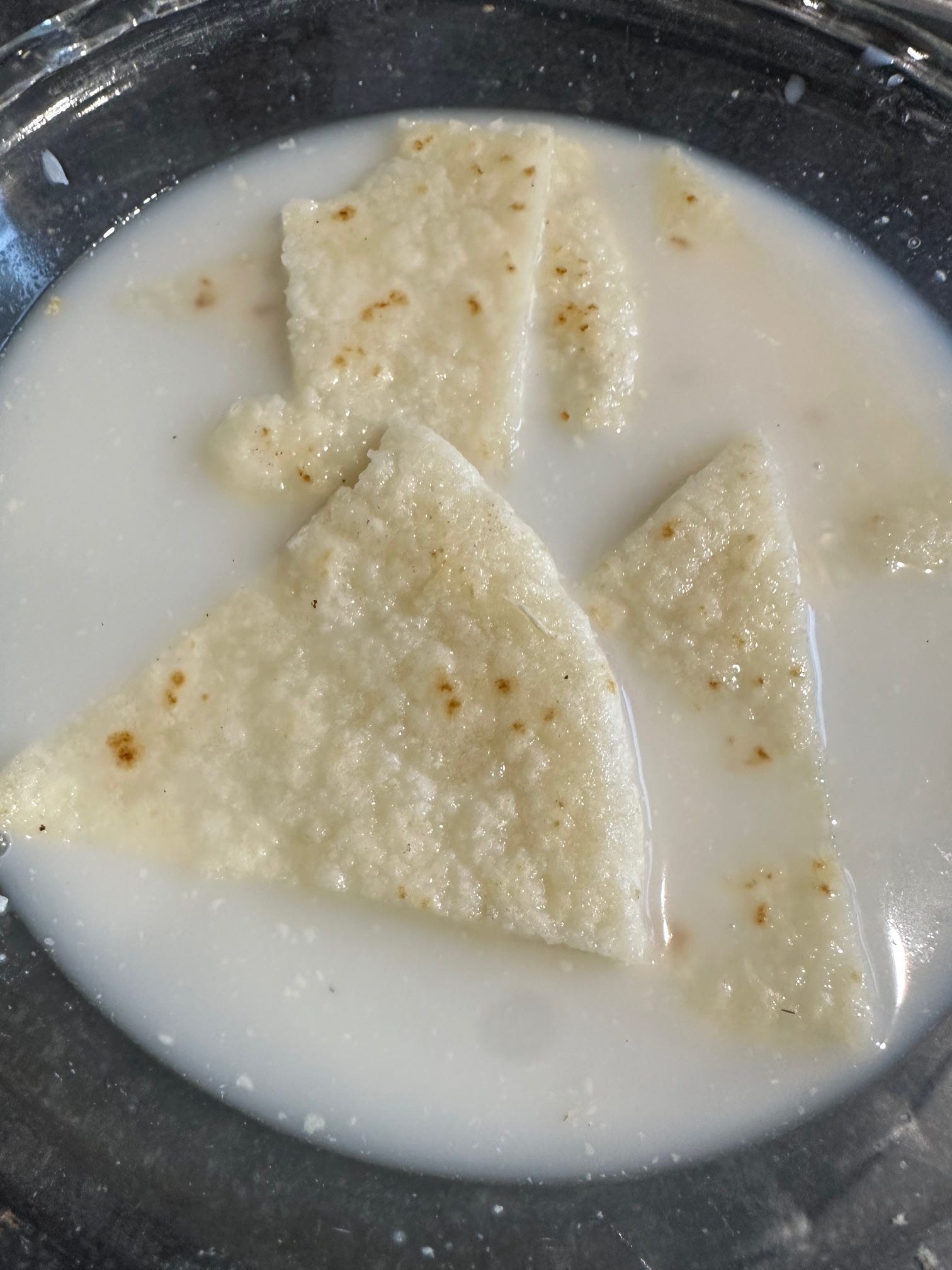
Cut the bammy flatbread into sections and soak in coconut milk for a minute - this milk was some I made so it’s not as thick as canned coconut milk, which I would normally use.
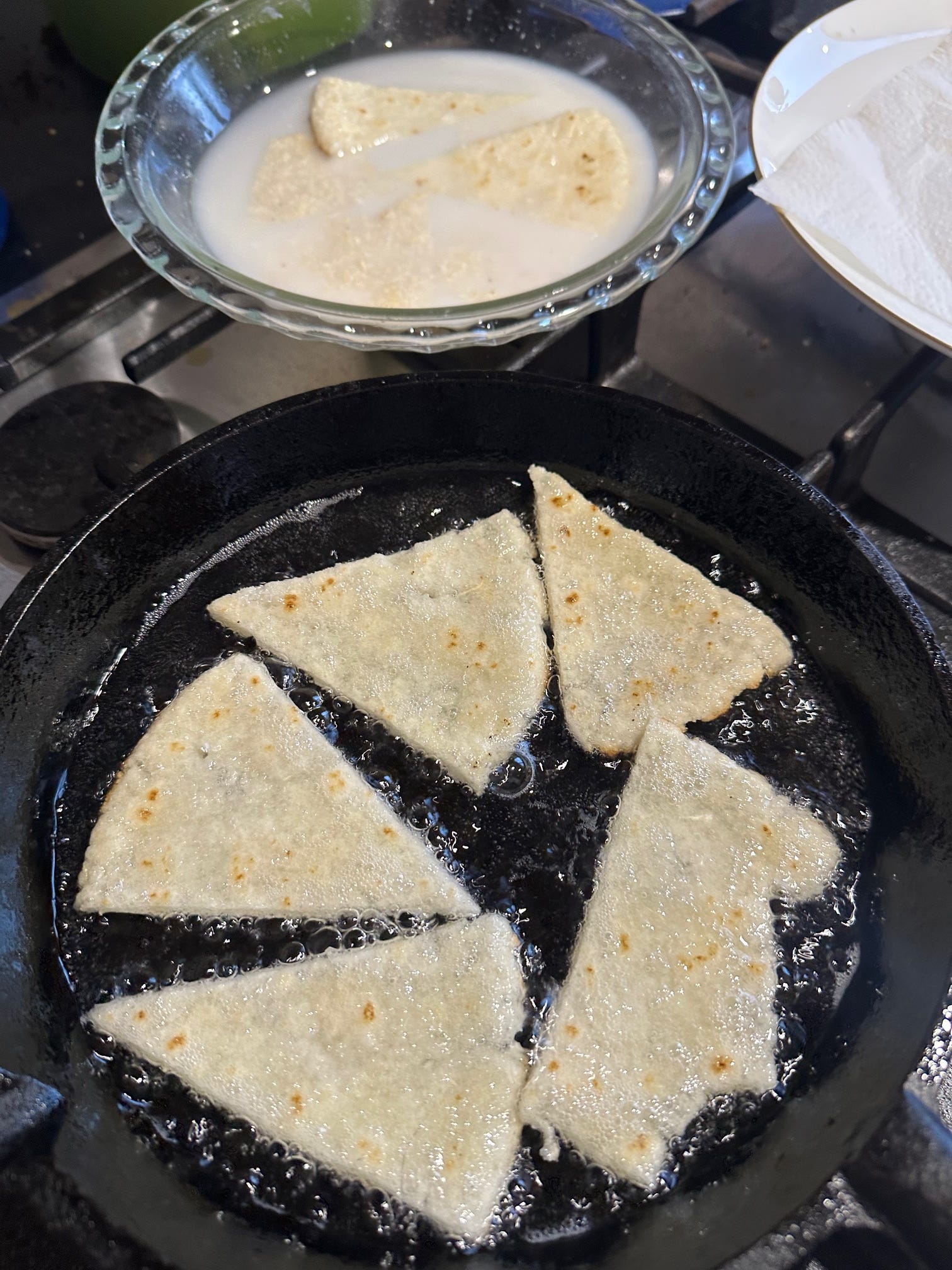
Frying the bammy in coconut oil, you could use tallow, lard or olive oil, but I liked the idea of using coconut oil.
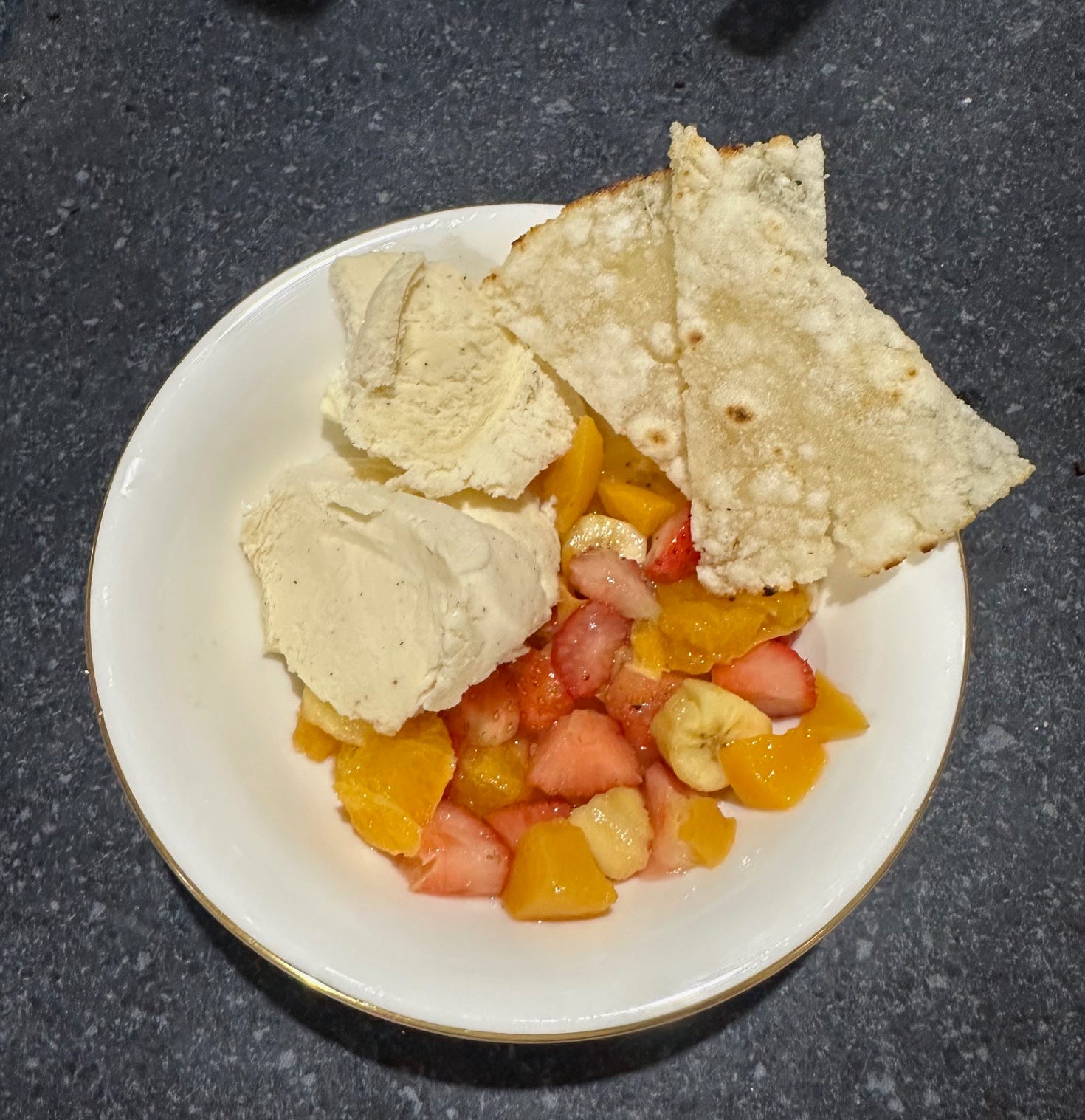
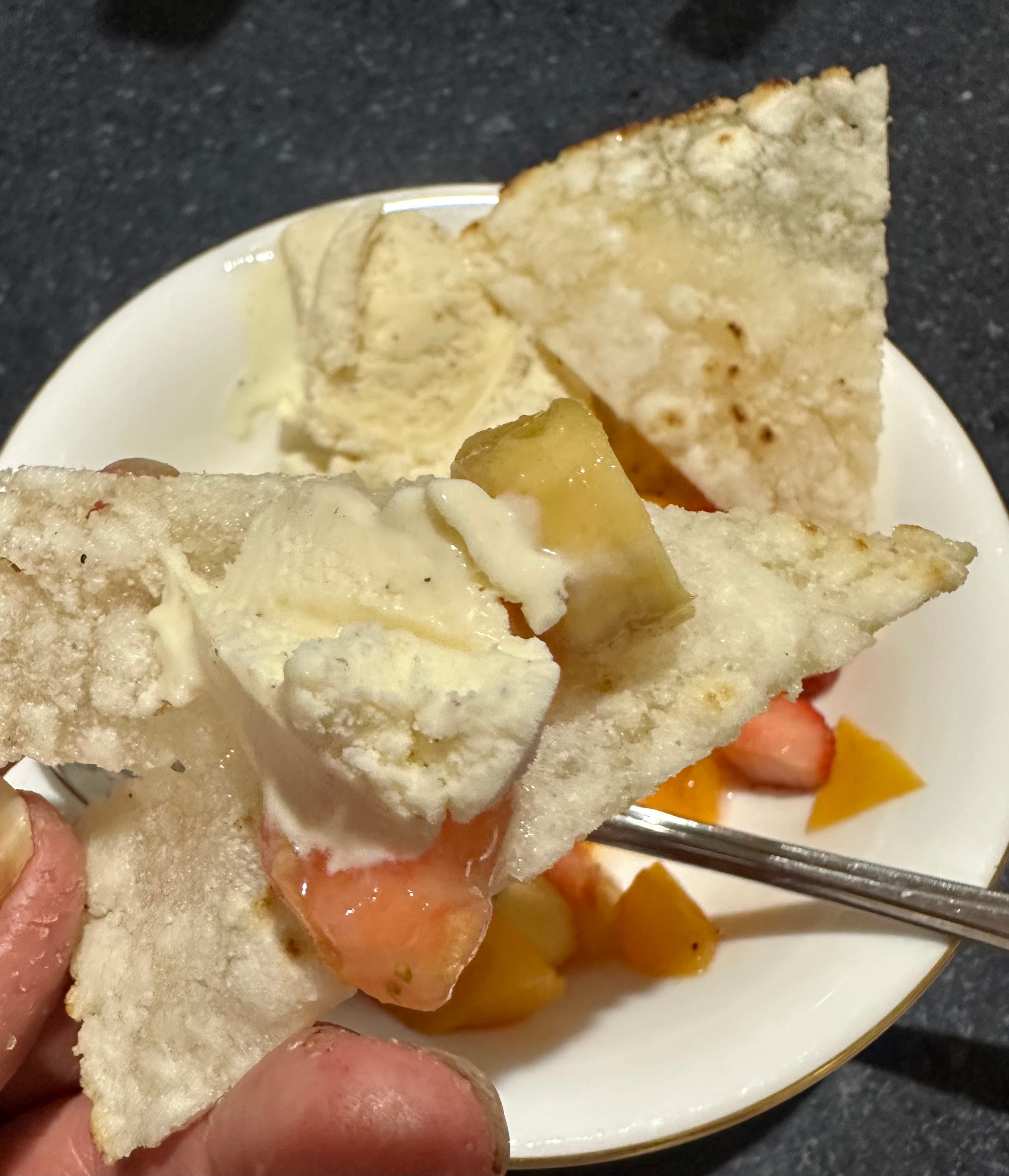
This one I served with fruit and icecream, but I’ve also made a coconut milk, lime and ginger sauce, which is a good way to use up the rest of the can of coconut milk. Then you eat it like a pancake.
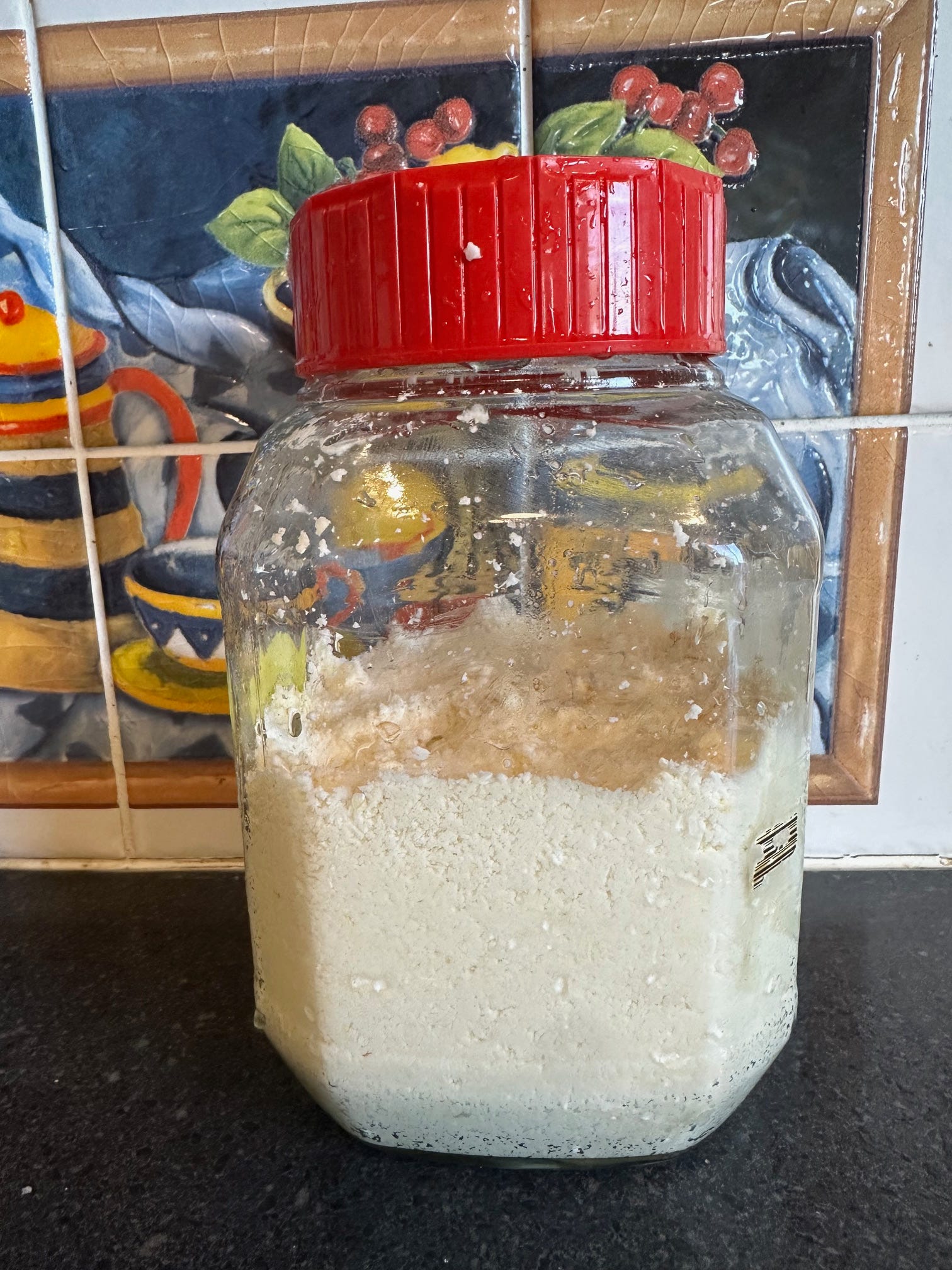
The idea of fermenting the pulp was not mine, I read about it in a book by Elisabeth Fekonia, which you can buy here. If you live in the subtropics, it's well worth trying to get hold of Elisabeths book because there's some great ideas in it. I actually haven’t made any of her cassava recipes, but the fermented cassava, to me, is a really, really useful product to have on hand. And it's not that hard to do. The longest process is peeling the bloody things because they do take a little while. They're probably harder to peel than an arrowroot, but the processing of cassava is so much easier than arrowroot. I don't think there's a use for the arrowroot pulp (aftere extracting the starch) whereas there is for the cassava pulp - arrowroot, you just get the arrowroot starch out of it. That's my opinion, so if you have ideas on arrowroot, please let me know. I think arrowroot's better off just being used as a cooked vegetable like a potato substitute.
The Process:
Grate the cassava as fine as you can - I use my thermomix, however ol’ mate in the video referenced above does it in a blender. Add plenty of water as you process it. Pour this water mix into a bowl as you process the cassava in batches.
When all the cassava has been processed, get another bowl and a cloth lined colander. Using a cup, place about 2 cups of the processed cassava into the colander and squeeze out as much liquid as you can. You want the pulp to be as dry as possible. Have a third bowl to collect the strained pulp. Continue until you have two bowls, one with white water, one with the pulp.
I roughly measure the pulp and put about a tablespoon of fermenting juice from sauerkraut or kombucha, kefir, something like that per cup of pulp. Add salt, maybe a quarter teaspoon of salt per cup. Mix it up and then press firmly it into a jar to remove as much air as possible. You want to leave about an inch of headspace. Leave the jar on the counter for about 3-5 days and then place it in the fridge for longer keeping. It keeps well for months. If it goes mouldy, you can probably scrape the mould off, or if it looks like it's got mould all the way through it, you may have to throw it out, but if it's just a bit of mould on top, just scrape it off and discard that bit and continue using it.
I find it’s great to make hashbrowns or fritters for breakfast. Mix it up with some herbs, an egg, perhaps some more tapioca starch if it's too sloppy, or grated vegetables and cook it up like that. This is the same way I do my bunya nut fritters. As mentioned, I make cakes or bammy with it also.
It's just really handy if you're trying to be more wheat-free or trying to be more self-sufficient with your starchy products. I did mention in that last post I did that it was a resistant starch, so therefore good for the gut. It's a good fibre and we all need more fibre in our diet, so I don't think it goes astray.
So, give it a go. Let me know if you've cooked with cassava or if you have a different recipe. I do know that you can eat the leaves. I never have, but you can eat them if they are cooked - you could do some research on that yourself. I just couldn't be bothered. I have so much green leafy material that I don't need to actually muck about with cassava leaves. I did read in the article below that the leaves are high in protein, so cooking the leaves and eating them with the cooked cassava could be a survival food if you needed it!
The other thing I need to mention, is that cassava needs to be cooked, you can't eat it raw. It's very high in cyanide when raw. When you do the process of soaking and then squeezing the water out, this removes most of the cyanide. Fermenting also helps to reduce the levels even more. Obviously, you don't eat it raw anyway, as you will cook it before eating it. You'll either cook it in a cake, in a fritter, or bammy, or something like that. From what I've read, it's perfectly safe to eat like that. If you do cook it in chunks to make chips (which I didn’t mention earlier, but can be done), you need to discard the cooking water because the cyanide is in that. Therefore, you cannot add cassava chunks into a stew, they need to be cooked separately.
I did come across this article about cassava if you would like to read more facts about it.
